
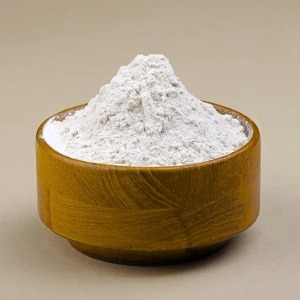
Dehydrated white onion powder is a widely used B2B ingredient, serving as a base flavor for dry soup mixes, snack seasonings, and sauces. Because onion powder is highly hygroscopic (meaning it easily absorbs moisture from the air), managing its shelf life and preventing clumping during long ocean transit is a major challenge for food manufacturers and purchasing agents. This article details the primary factors in preserving powder quality.
The Threat of Humidity and Temperature Shifts
During export shipping, containers experience significant temperature changes (often called "container rain" or cargo sweat). If the packaging is not completely moisture-proof, the onion powder will absorb water vapor. When moisture content rises above 5.5%, the natural sugars inside the powder dissolve slightly, causing the fine granules to stick together. This turns free-flowing powder into solid blocks, rendering it unusable for industrial blending lines.
This clumping process (known in food science as caking) is accelerated by pressure. In a shipping container, cartons are stacked several layers high. The pressure exerted on the bottom layers, combined with high temperatures and moisture, can fuse the powder into hard blocks. Once caked, the powder requires mechanical grinding to break up, which degrades flavor volatility and increases dust generation in blending plants.
Dual-Barrier Hygienic Packaging
To prevent moisture absorption, export-grade onion powder is packed in multi-layered barrier packaging. The standard configuration consists of two food-grade low-density polyethylene (LDPE) inner bags (each individually sealed) placed inside a heavy-duty, multi-walled corrugated carton box. For high-humidity zones, aluminum foil laminate bags are used, providing an absolute barrier against gas, light, and water vapor.
Additionally, during container loading, desiccant bags are hung along the walls of the shipping container. These bags absorb moisture from the air, reducing the risk of cargo sweat. Pallets are also wrapped in stretch film to prevent ambient humidity from penetrating the cardboard boxes during port storage.
Optimal Storage Guidelines
At destination warehouses, maintaining quality requires strict storage discipline. Cartons should be stored on wooden pallets off the ground, away from direct sunlight, in a cool, dry warehouse (ideally at temperatures under 20°C and relative humidity under 60%). Under these conditions, premium dehydrated onion powder retains its flavor profile, color, and free-flowing properties for up to 24 months.
Warehouse managers should also practice First-In, First-Out (FIFO) stock rotation. Because agricultural crops have seasonal variations, processing batches should be tracked by production date. Regularly checking warehouse humidity and inspecting seals on opened packages will ensure the ingredient remains free-flowing and ready for production lines.